Kody Brown’s Hair Outlasted 3 Marriages — Sister Wives Fans Are Just Noticing This
 For years, the Dutton ranch has hidden more secrets than cattle brands burned into the fences. Land disputes, blood feuds, disappearances, betrayals, and quiet deals made under the cover of darkness have all shaped the legacy of the Yellowstone empire. People have come and gone from the ranch without answers. Enemies have vanished. Friends have become liabilities. And through every single fight, every tense dinner, every threat whispered across the Montana plains, there has always been one truth hanging over the family like a storm cloud nobody wanted to acknowledge.
The Duttons protect their own at any cost.
That rule has guided every decision they have ever made. It is older than the ranch itself. Older than the family arguments. Older than the wars over property lines and politics. But in the final episode of Dutton Ranch Season 1, that rule finally explodes into something the family cannot bury anymore, because Beulah discovers the truth about Wes.
And once she learns what really happened to his body, nothing inside the Yellowstone world will ever be the same again.
From the beginning of the season, Wes was positioned as more than just another ranch hand drifting through the story. He was connected to too many people, too many secrets, and too many unresolved tensions inside the family. Every time his name came up, conversations became uncomfortable. Characters changed the subject too quickly. Certain members of the Dutton family seemed determined to keep the past locked away.



At first, the audience is encouraged to believe that Wes simply disappeared after a conflict on the ranch. That explanation sits on the surface for most of the season. People hint that he left town. Others suggest he got involved with dangerous people. There are scattered references to fights, arguments, and unfinished business. But the deeper the season goes, the more obvious it becomes that everyone knows more than they are willing to admit.
And Beulah notices all of it.
That is what makes her role in the finale so important. While everyone else is focused on protecting the ranch, protecting the family name, or protecting themselves, Beulah becomes the only person still chasing the truth. She starts paying attention to details other people ignore. The strange silences at the dinner table. The way certain family members avoid speaking about Wes directly. The panic that flashes across faces whenever the subject gets too close to what really happened.
She realizes there is a coordinated effort to erase him.
Not emotionally. Literally.
The closer Beulah gets to the truth, the more dangerous the atmosphere around the ranch becomes. Conversations turn threatening. Longtime allies begin warning her to stop asking questions. Even people she once trusted start acting like they are terrified of what will happen if the truth gets out.
And then the final episode reveals why.
Wes never left.
The Dutton family hid his body.
The reveal is handled slowly, almost cruelly, as if the show wants the audience to sit in the horror of it piece by piece instead of delivering it all at once. Beulah follows a trail of contradictions that leads her to an abandoned section of the ranch connected to one of the family’s oldest cover-ups. The tension in these scenes is almost unbearable because the audience already senses what she is about to find before she fully understands it herself.
Every clue pushes her closer to the same impossible conclusion.
Someone in the Dutton family killed Wes.
And the rest of them helped make sure nobody would ever discover the body.
What makes the spoiler so devastating is not just the death itself. Yellowstone has never been a story afraid of violence. People die constantly in this world. Enemies disappear. Revenge is part of the culture of the ranch. What makes this moment different is the emotional collapse that follows Beulah’s realization.
Because she understands immediately that this was not one person’s secret.
It was a family decision.
That changes everything.
The Duttons have spent years presenting themselves as defenders of tradition, protectors of land, survivors willing to do whatever is necessary to preserve their way of life. But this reveal exposes something darker beneath all of that mythology. The ranch is not simply a home anymore. It has become a machine that consumes morality in order to survive.
And Beulah finally sees it clearly.
The most chilling part of the finale is watching how calmly certain family members react once the truth starts surfacing. There is no dramatic confession delivered with tears. No emotional breakdown begging for forgiveness. Instead, the family treats the cover-up like another unpleasant task that had to be handled for the good of the ranch.
That reaction terrifies Beulah more than the body itself.
Because it forces her to confront the possibility that the people she loved have crossed a line so many times they no longer even recognize it as a line.
One of the episode’s strongest scenes happens when Beulah confronts the family directly. The room falls silent before anyone answers her questions. Nobody rushes to deny what happened. Nobody acts shocked that she figured it out. Their silence becomes the confession.
And in that silence, the entire illusion of loyalty inside the ranch starts to collapse.
For years, the Duttons have justified every violent decision by claiming it was necessary. Necessary to save the land. Necessary to protect the family. Necessary to survive enemies who wanted to destroy them. But Beulah forces them to confront a horrifying question they can no longer avoid.
At what point does survival become corruption?
The finale refuses to offer an easy answer.
Instead, it leans fully into the tragedy of what the ranch has become. Every member of the family is trapped by the choices they made long before the season began. Some helped hide the truth out of fear. Others did it out of loyalty. A few seem to genuinely believe that protecting the Dutton legacy matters more than justice.
But Beulah stands outside that mindset.
That is why her discovery matters so much.
She represents the last remaining piece of moral clarity in a world that has slowly normalized violence and secrecy. When she looks at the family after learning the truth, she is not just horrified by what they did to Wes.
She is horrified by how ordinary it has become for them.
The symbolism throughout the finale reinforces that idea constantly. The ranch itself feels colder. Empty hallways linger on screen longer than usual. Night scenes stretch into uncomfortable silence. The landscape that once looked powerful and beautiful now feels haunted.
It is as if the land itself knows what has been buried beneath it.
And once Beulah uncovers the secret, the ranch can no longer pretend otherwise.
There is also a major shift in the way the Dutton family interacts with one another after the reveal. Earlier in the season, they still carried themselves with confidence. Even when they argued, there was an underlying belief that the family would survive anything together.
That confidence disappears in the finale.
Because secrets hold families together only until someone finally says them out loud.
Once Beulah exposes the truth about Wes, paranoia spreads through the ranch immediately. People begin questioning who can still be trusted. Old alliances weaken. Family members who once defended each other start protecting themselves instead.
The cover-up that was supposed to preserve the ranch ends up poisoning it from the inside.
And the audience realizes something terrifying.
The Dutton empire may survive attacks from outsiders, but it might not survive the truth.
The final scenes of the episode push that idea even further. Beulah stands alone after learning everything, looking out across the property that once symbolized strength and stability. But now she sees the ranch differently.
She sees graves beneath the grass.
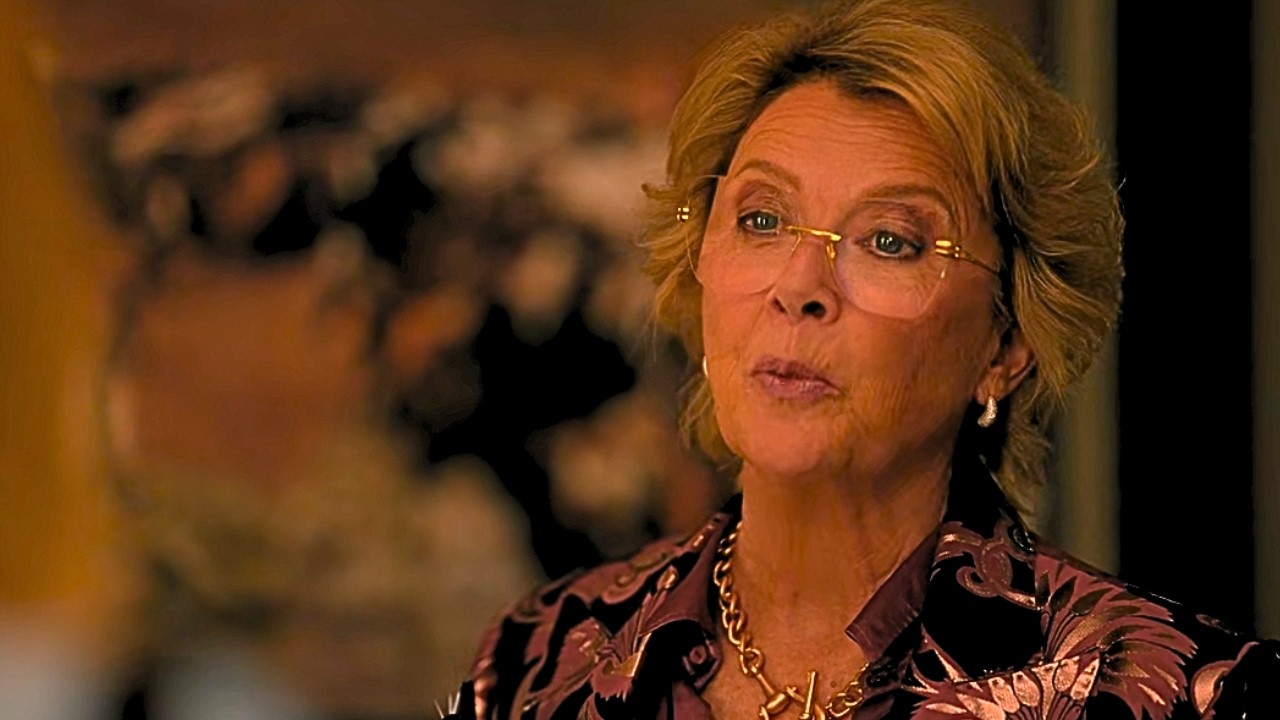
She sees lies hidden inside every family tradition.
She sees generations of violence disguised as loyalty.
And perhaps most painfully, she realizes Wes became just another sacrifice offered to keep the Dutton machine alive.
That realization completely transforms the meaning of the season.
What initially looked like a mystery about a missing man slowly reveals itself to be a story about moral decay. The disappearance of Wes is not the true tragedy.
The true tragedy is how many people were willing to help bury him.
The finale leaves viewers with one overwhelming question moving forward.
Can Beulah continue living among people she no longer recognizes?
Because once someone learns what the Dutton family is truly capable of, there is no returning to ignorance. Every conversation changes. Every memory becomes suspicious. Every act of kindness feels contaminated by the possibility of hidden violence underneath.
That emotional fallout is what makes the ending so powerful.
The show understands that the real damage is psychological, not just physical. Wes may be dead, but the discovery destroys something inside Beulah too. It destroys her trust in the family. It destroys her belief that the ranch still stands for something honorable.
And worst of all, it destroys the illusion that the Duttons are protecting a legacy worth saving.
By the final moments of the episode, the audience is left staring at a family that has become almost unrecognizable from the image they once projected. The ranch still looks the same from a distance. The fences still stand. The horses still run across the land.
But underneath all of it is the truth.
A body was hidden.
A family stayed silent.
And Beulah finally found out.
That revelation changes the entire emotional foundation of the series going forward because now every future interaction carries the weight of what was buried. The Duttons can continue fighting outsiders, defending their property, and claiming they are protecting tradition.
But the audience now understands the cost of that tradition.
And so does Beulah.
In the end, the most disturbing part of Dutton Ranch Season 1 is not the murder itself.
It is the realization that the family had already convinced themselves it was justified.
That is the secret hidden underneath the Yellowstone legacy.
Not loyalty.
Not honor.
Not family.
Survival at any price.
And once Beulah uncovers Wes’s body and the truth surrounding it, the ranch can never hide from what it has become again.