Gwendlyn Brown Finally Said What 16 Years of TLC Cameras Were Too Scared To Show | Sister Wives tlc

For more than a decade and a half, the Brown family stood at the center of one of reality television’s most talked-about experiments. Viewers tuned in week after week to watch the lives of Kody Brown, his four wives, and their eighteen children unfold on screen. The series presented a unique look into plural marriage, offering audiences a front-row seat to family celebrations, heartbreaks, milestones, and conflicts.
For years, Kody appeared to be the unquestioned face of the family brand. He was the patriarch, the spokesman, and the person through whom most of the story was told. As the cameras rolled, he controlled much of the narrative that millions of viewers consumed. But by 2026, the landscape surrounding the Brown family looked dramatically different.
What once seemed like Kody’s empire had quietly transformed into something else entirely. The people now drawing attention, creating conversations, and commanding loyal audiences were not Kody or even the TLC production team. Instead, it was the Brown children themselves.
And among them, Gwendlyn Brown emerged as one of the most influential voices.


To understand how this dramatic shift happened, it helps to look back at the origins of Sister Wives.
When the series first premiered, many of the Brown children were extremely young. Some were toddlers, some were school-aged, and the oldest were only beginning their teenage years. None of them made the decision to become public figures. They did not negotiate contracts or decide how much of their private lives would be shared with the world.
Yet cameras became a permanent part of their childhood.
The audience witnessed birthdays, graduations, family vacations, emotional arguments, new relationships, and life-changing events. Nearly every major moment was documented and broadcast to millions of viewers.
As the years passed, the Brown children became familiar faces. Fans watched them grow up, develop personalities, and navigate challenges unlike those faced by most teenagers.
At first, the children were simply supporting characters in a story centered around their parents. But over time, something unexpected happened.
Viewers formed strong emotional connections with the kids.
People weren’t only interested in Kody’s perspective anymore. They wanted to know what the children thought about growing up in a plural family. They wanted to hear the experiences that never made it into the final television edit.
That realization would eventually change everything.
As the Brown children entered adulthood, they discovered they possessed something incredibly valuable: a built-in audience.
Millions of people already knew who they were.
Those viewers had followed their journeys for years and remained curious about their lives long after individual episodes aired. Unlike previous generations of reality television children, the Brown kids grew up during the rise of social media, podcasts, YouTube channels, and direct-to-consumer platforms.
For the first time, they could tell their own stories.
They no longer needed a network executive’s approval.
They no longer needed a production team to decide what footage would be shown.
Most importantly, they no longer needed their father’s permission to speak.
One of the first children to capitalize on this opportunity was Mykelti Brown Padron.
Through podcasts and online content, Mykelti began offering fans a deeper look into life behind the scenes. Instead of presenting a polished television version of events, she discussed personal experiences and answered questions viewers had wondered about for years.
Fans responded enthusiastically.
Many felt they were finally hearing perspectives that had never been fully explored on the show itself.
But if Mykelti opened the door, Gwendlyn Brown kicked it wide open.
Gwendlyn’s online presence quickly became one of the most talked-about sources of Sister Wives commentary.
Unlike traditional reality television interviews, her approach felt spontaneous, personal, and refreshingly direct.
She reacted to episodes as they aired.
She discussed family dynamics.
She addressed controversial moments that viewers were debating online.
Most importantly, she wasn’t afraid to share how she genuinely felt.
For many longtime fans, this was unlike anything they had seen before.
For sixteen years, much of the Brown family story had been filtered through producers, editors, and carefully structured episodes. Suddenly, one of the children was speaking directly to the audience without any of those layers.
Gwendlyn discussed painful family divisions, changing relationships, and the emotional impact of watching her parents’ marriages unravel.
Her honesty resonated deeply with viewers.
Many fans felt they were finally hearing the missing pieces of a story they had followed for over a decade.
The more transparent Gwendlyn became, the larger her audience grew.
People weren’t simply looking for gossip.
They were searching for authenticity.
And authenticity became the defining advantage the Brown children possessed over the traditional television format.
Paedon Brown contributed his own perspective as well.
Through interviews, podcasts, and appearances across various platforms, he shared opinions that often challenged established narratives.
He discussed tensions within the family, conflicts with Kody, and situations that many viewers believed had never been fully addressed on television.
Whether audiences agreed with him or not, they appreciated hearing a firsthand account.
Meanwhile, other Brown siblings found their own unique ways to connect with fans.
Some built social media communities.
Others created lifestyle content.
Several developed independent businesses and personal brands.
Rather than competing against each other, they expanded the overall Brown family audience.
Each sibling offered a different perspective.
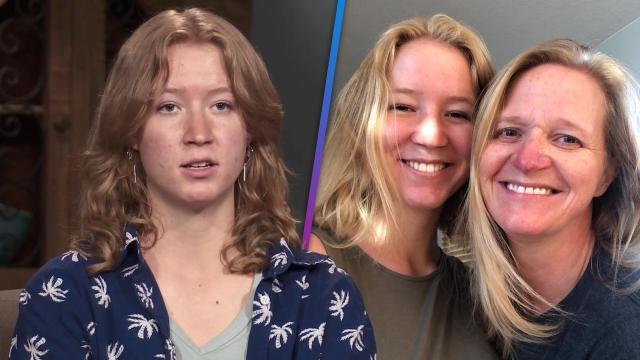
Each appealed to different viewers.
Together, they created a network of voices far larger than any one platform alone.
While this was happening, Kody appeared to remain focused primarily on the traditional reality television model.
The media landscape, however, was evolving rapidly.
Audiences increasingly favored direct communication over heavily edited programming.
They wanted unfiltered stories.
They wanted personal experiences.
They wanted transparency.
The Brown children seemed to understand this shift naturally because they had lived through both versions of the industry.
They had experienced life as reality television subjects and later as independent content creators.
That combination gave them a unique advantage.
Perhaps the most significant factor behind their success was trust.
Viewers believed the children were willing to discuss uncomfortable truths.
Gwendlyn openly acknowledged difficult emotions.
Mykelti shared how her opinions evolved over time.
Other siblings reflected on personal struggles and family challenges.
These conversations weren’t always flattering.
They weren’t always easy.
But audiences felt they were genuine.
And in today’s media environment, authenticity often matters more than perfection.
By 2025 and 2026, fan communities began increasingly referencing content created by the Brown children themselves.
Podcast episodes generated extensive discussion.
YouTube videos became major sources of information.
Social media posts sparked debates throughout the Sister Wives fan base.
The audience wasn’t waiting for weekly episodes anymore.
They were going directly to the people who had actually lived the story.
This shift revealed something fascinating about the legacy of Sister Wives.
For years, many assumed the show’s success revolved around Kody Brown.
But as independent platforms flourished, it became clear that viewers had formed deep attachments to the children as well.
The emotional heart of the series wasn’t found solely in the adults.
It was found in the experiences, growth, and journeys of the next generation.
As the Brown children matured, they realized their stories carried tremendous value.
They had spent years contributing to a television phenomenon.
Now they were finally able to benefit directly from the audiences they helped build.
The irony was impossible to ignore.
The very children who once appeared in the background of their father’s reality television empire had become some of its most influential figures.
And nowhere was that transformation more visible than through Gwendlyn Brown.
By speaking openly, challenging assumptions, and sharing perspectives viewers had never heard before, she became a symbol of a larger change taking place within the Brown family.
The story was no longer being told exclusively through TLC cameras.
It was being told by the people who had lived it firsthand.
As 2026 continues, one thing appears increasingly clear.
The future of the Sister Wives story may not belong to networks, producers, or even the family patriarch who started it all.
Instead, it belongs to a generation of Brown children who discovered their own voices, built their own audiences, and learned that honesty can be far more powerful than any carefully controlled television narrative.
For many fans, Gwendlyn’s willingness to speak openly represents something that reality television rarely provides: an unfiltered look behind the curtain.
And that may be why so many viewers continue to follow her journey today.
The cameras may have spent sixteen years documenting the Brown family, but according to countless fans, the most revealing chapters of the story are only being told now.