Janelle DEMANDS Her $1.65 Million House Money Back – Robyn & Kody’s Greed Finally Exposed 2026!

For years, the cracks inside the Brown family had been visible only in fleeting moments—an awkward silence during family dinners, strained smiles during holidays, or the exhaustion hidden behind Janelle Brown’s calm and practical demeanor. But in 2026, the carefully protected illusion finally shattered. What had once been presented as a united plural family built on faith, equality, and sacrifice was now unraveling in public, exposing painful truths about money, loyalty, and betrayal.
At the center of the storm stood Janelle Brown.
Unlike the emotional confrontations that often dominated family discussions, Janelle had always been measured and logical. She worked tirelessly for decades, balancing motherhood, business ventures, and the endless responsibilities that came with raising a massive family. While others leaned into romance or emotional bonds, Janelle focused on stability. She believed that every sacrifice she made was helping secure a better future for the entire family.
But over time, she began realizing something devastating: the sacrifices were never benefiting everyone equally.



The move from Las Vegas to Flagstaff marked the beginning of the family’s collapse. Kody Brown sold the dream as a fresh start—a chance to build an even stronger future on the sprawling Coyote Pass property. The wives trusted him completely. They sold their Las Vegas homes, handed over their equity, and invested their savings into what Kody described as a shared vision for all four wives and their children.
Janelle, perhaps more than anyone, believed in that vision.
She contributed a substantial portion of her personal savings toward the purchase of the massive Flagstaff house where Kody and Robyn lived together. The property would later be listed publicly for an astonishing $1.65 million. Yet despite contributing heavily to the purchase, Janelle’s name was never placed on the title or mortgage.
At first, she tried not to see it as a warning sign.
But as the years passed, patterns became impossible to ignore.
While Janelle struggled financially, living in an RV she purchased with her own loans and savings, Kody and Robyn’s household seemed untouched by the same hardships. Expensive artwork appeared on the walls. Luxury items quietly accumulated. Their home became the obvious center of comfort and stability while the other wives carried the burden of surviving largely on their own.
The imbalance wasn’t just emotional anymore—it was financial.
One of the deepest wounds involved Robyn’s past debt. When Robyn originally joined the family, she entered with serious financial problems left over from her previous marriage. At the time, Janelle, Christine, and Meri willingly stepped in to help. Using money earned from the family’s television success and their own sacrifices, they helped erase Robyn’s financial burden so she could fully join the family without that weight hanging over her.
They believed they were acting out of love and sisterhood.
Years later, however, when tensions rose and Janelle referenced that shared sacrifice, Robyn reacted with confusion and denial, as if the entire situation had either been forgotten or deliberately erased from memory. To Janelle, it felt like betrayal layered on top of betrayal. The women who had sacrificed the most were now being treated as if their contributions never existed.
Meanwhile, Kody’s role within the family appeared to shrink dramatically.
In one painful on-camera admission, he casually described his contribution as mostly handling car insurance and vehicle issues for the children. The wives, he admitted, managed their own households, bills, groceries, and day-to-day parenting responsibilities.
For many viewers—and for Janelle’s children—that confession changed everything.
The self-proclaimed patriarch had quietly stepped away from the role of provider years earlier. The mothers had been carrying the family almost entirely on their own while Kody focused his energy overwhelmingly on one household: Robyn’s.
His emotional absence became impossible to hide.
Birthdays were missed. Family milestones passed with brief phone calls or no acknowledgment at all. Older children from Janelle, Christine, and Meri’s families began openly expressing feelings of abandonment and disappointment. They watched their father devote most of his attention and presence to Robyn and her children while the rest of the family adjusted around his increasingly limited availability.
The resentment grew slowly, but steadily.
Christine was the first to finally break free. After years of feeling emotionally neglected, she walked away from the marriage completely, choosing peace and independence over continuing to fight for affection that no longer existed. Her departure shocked the family and shattered the public image of a functioning plural marriage.
Meri remained emotionally stranded, clinging to loyalty while receiving almost nothing in return.
But Janelle’s transformation proved to be the most unexpected.
For decades she had been the calm mediator, the practical thinker who avoided drama and focused on solutions. Yet beneath her composed exterior, years of imbalance had created a growing fury. She had invested her money, her labor, and her trust into a family structure that increasingly benefited only Kody and Robyn.
The legal marriage between Kody and Robyn made the situation even more complicated.
Because they were legally married, every major asset tied to Robyn automatically secured Kody’s ownership as well. The other wives had built their lives on spiritual commitments and verbal promises, but Kody and Robyn possessed actual legal protection. What once seemed like a harmless technicality now looked like a carefully constructed financial shield.
Janelle began realizing how trapped she truly was.
Even after the Coyote Pass property was finally paid off, the land remained undivided. Her name was still legally connected to Kody’s, making it difficult to fully separate her finances and move forward independently. Every attempt she made to discuss fair asset division was met with delays, excuses, or vague promises that things would eventually work themselves out.
But Janelle was done waiting.
The more she reflected on the family’s history, the clearer everything became. She remembered stretching every dollar while raising children largely alone. She remembered contributing faithfully to businesses and shared family expenses. She remembered helping pay off Robyn’s debt. And now, while she fought to reclaim her own financial future, she watched Kody and Robyn continue living comfortably inside a multimillion-dollar home partially funded by her own sacrifices.
The contradiction became impossible to ignore.
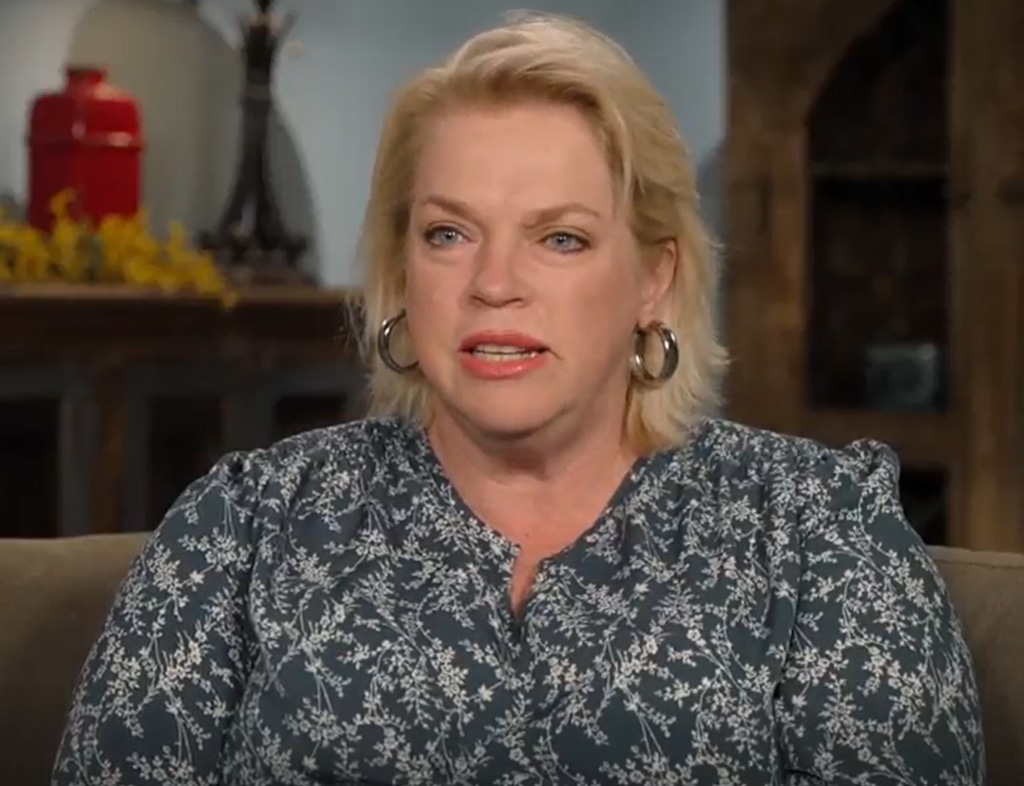
Kody repeatedly claimed there wasn’t enough money to fairly compensate the wives who wanted to leave, yet luxury purchases continued appearing inside the primary household. The expensive art collection became symbolic of everything Janelle now resented—visible wealth existing alongside constant excuses about financial hardship.
The emotional toll reached beyond finances.
Late at night inside her RV, Janelle often reflected on the life she had spent decades building. She remembered the early years when the family genuinely felt united. There had been laughter, teamwork, and shared parenting responsibilities. She, Christine, and Meri had welcomed Robyn with open hearts because they truly believed expanding the family would multiply love.
Instead, it slowly created hierarchy.
Over time, Robyn’s household became the gravitational center of the entire family. Holidays revolved around her home. Family decisions increasingly prioritized her comfort. Kody spent nearly all his time there, emotionally and physically withdrawing from the rest of the wives and children.
What had once been presented as equal partnership transformed into a visible imbalance everyone could feel but few dared to openly confront.
Until now.
By 2026, Janelle’s patience had finally run out.
No longer interested in protecting the family’s image, she began speaking openly about the financial injustices she believed had occurred for years. She consulted professionals about her legal options and focused intensely on securing what she believed was rightfully hers—including compensation connected to the $1.65 million Flagstaff property she helped fund.
For the first time, viewers saw a different version of Janelle: not the quiet peacemaker, but a woman determined to reclaim her independence after decades of sacrifice.
Her children supported her transformation.
Many of them had spent years quietly witnessing the imbalance themselves. They saw how hard their mother worked. They understood how much she had given financially and emotionally while receiving increasingly little in return. Watching her finally demand accountability became both heartbreaking and empowering for the family.
Kody, however, continued portraying himself as misunderstood and overwhelmed. He insisted he had carried enormous responsibility while the wives drifted away from the family structure. But his own admissions—and the visible reality of the family dynamic—told another story.
The burden had fallen primarily on the women all along.
Christine had already escaped and rebuilt her life. Meri was slowly rediscovering her independence. And now Janelle, once the most loyal believer in the family system, was stepping fully into her own power.
The sisterhood may have fractured, but something stronger was emerging from the ruins: accountability.
As the legal and financial battles intensified, one question lingered over everything: would Janelle finally recover the money and security she had sacrificed for decades, or would the system she trusted continue protecting Kody and Robyn at her expense?
For viewers, the scandal exposed far more than family drama. It revealed how faith, love, and loyalty had become tangled with legal loopholes, unequal treatment, and financial control. The dream of one united family had collapsed under the weight of favoritism and broken trust.
And for Janelle Brown, the woman who spent years quietly supporting everyone else, the fight was no longer about preserving the family image.
It was about finally demanding what was hers.