Sister Wives: The Deleted Scenes Truth How Gwendlyn & Mykelti Exposed The Real Story
For more than fifteen years, Sister Wives quietly transformed its audience into something no reality show ever intended to create: expert investigators. What began in 2010 as a seemingly heartfelt glimpse into the daily life of a plural family slowly evolved into a giant puzzle filled with contradictions, hidden tensions, carefully edited narratives, and emotional performances that no longer matched what viewers could clearly see with their own eyes. By the time the series reached its later seasons, longtime fans weren’t simply watching anymore. They were decoding every glance, every confessional, every awkward silence, and every suspicious camera cut.
At first, the series appeared straightforward. Audiences were introduced to Kody Brown and his wives as a united family trying to survive judgment, public scrutiny, and the challenges of plural marriage. The framing encouraged viewers to accept what they saw at face value. Emotional scenes were presented sincerely. Confessionals guided the audience toward clear conclusions. In those early years, most viewers believed the emotional narrative the show wanted them to believe.
But over time, cracks began appearing in the carefully constructed image.

The biggest problem for the series was not one explosive scandal. It was the gradual accumulation of contradictions. Every season seemed to expose moments that didn’t quite line up with what viewers had previously been told. A smiling family dinner in one episode would suddenly feel hollow after later revelations. A supposedly healed relationship would quietly collapse just a few episodes afterward. Fans began noticing inconsistencies, and once those inconsistencies became impossible to ignore, the entire viewing experience changed forever.


The transformation happened slowly. During the middle years of the show, cast members began speaking outside the TLC bubble. Social media accounts appeared. Interviews surfaced online. Podcast appearances became more common. Suddenly, viewers had access to information that existed outside the show’s carefully controlled editing room.
That outside information changed everything.
Fans started comparing what cast members said publicly with how episodes were edited on television. Sometimes the differences were subtle. Other times they were impossible to miss. An emotional storyline presented one way on screen would suddenly sound entirely different when a family member explained it later in an interview or Instagram post. The audience realized they were no longer watching raw reality. They were watching a version of reality filtered through production choices, selective editing, and narrative manipulation.
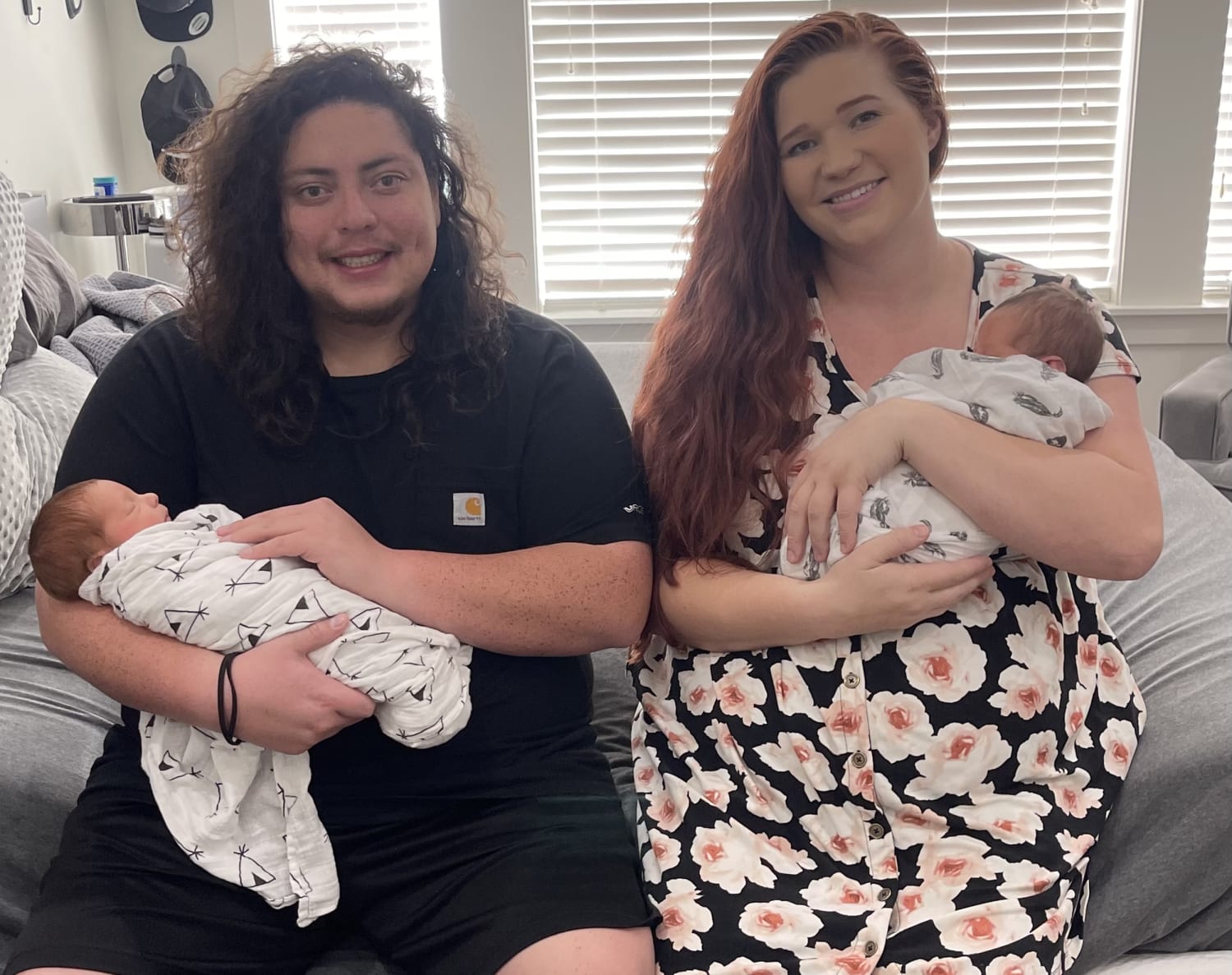
Then came the moment that completely shattered the illusion: Christine Brown leaving the family.
Christine’s departure wasn’t just another dramatic plot twist. It became a full-scale information explosion. Her exit opened the floodgates to endless interviews, online commentary, podcast discussions, and behind-the-scenes perspectives from people close to the family. Suddenly, viewers weren’t relying solely on TLC episodes anymore. They had multiple versions of the same story coming from multiple sources with completely different motivations.
And fans became obsessed with cross-referencing everything.
Viewers started comparing confessionals against podcasts. They analyzed timelines between episodes and social media uploads. They revisited older seasons looking for warning signs they had previously missed. Entire online communities formed around examining edits frame by frame. The audience had unknowingly become media analysts.
That shift intensified when Gwendlyn Brown launched her YouTube commentary channel. Her videos changed the entire structure of how fans consumed the series. Here was someone who had lived inside the family for years openly reacting to the footage in real time. She discussed scenes not as entertainment, but as lived experiences with emotional context that the show itself often ignored.
Her commentary exposed the massive gap between what cameras captured and what family members were actually feeling behind the scenes.
Once viewers understood that gap, they could never unsee it again.
Gwendlyn’s reactions gave fans permission to question everything. A tense dinner scene no longer looked like simple family stress. Instead, audiences started asking who was uncomfortable, who was avoiding eye contact, who was being protected by editing, and who was being positioned as the villain. The show’s illusion of transparency collapsed under the weight of its own contradictions.
Then Mykelti Brown added another layer through her podcasts and public conversations. Mykelti’s communication style felt more emotionally direct and far less filtered than the show’s confessionals. She spoke openly about specific family dynamics, emotional wounds, and uncomfortable truths that fans suspected had existed for years but never heard acknowledged so clearly.
That honesty gave viewers a new benchmark for identifying authenticity.
Fans suddenly began revisiting old confessionals with entirely different eyes. Some interviews now felt genuine and vulnerable. Others felt rehearsed, calculated, or strategically designed to shape public opinion. The audience learned to recognize the difference between someone sharing emotional truth and someone carefully managing their image.
And once viewers learned that skill, the show itself fundamentally changed.
Even TLC appeared to recognize the shift. The introduction of more direct one-on-one interview formats showed that producers understood the audience had become far more sophisticated. Viewers no longer accepted vague emotional statements or carefully rehearsed explanations. They wanted direct questions. They wanted accountability. They wanted inconsistencies addressed openly instead of hidden behind emotional music and dramatic editing.
But even those newer interview formats couldn’t fully restore the audience’s trust.
By this point, longtime fans had developed an entirely new way of watching reality television. They no longer consumed scenes passively. Every moment became evidence. Every silence carried meaning. Every editing decision raised questions.
Fans learned to identify when confessionals were intended for viewers and when they were actually subtle messages directed at other family members. They learned to study body language across multiple seasons and track emotional changes that dialogue tried to hide. A nervous posture at the dinner table could reveal more than an entire scripted conversation.
Even physical staging became part of the analysis.
Sister Wives: The Deleted Scenes Truth — How Gwendlyn & Mykelti Exposed The Real Story
For more than fifteen years, Sister Wives quietly transformed its audience into something no reality show ever intended to create: expert investigators. What began in 2010 as a seemingly heartfelt glimpse into the daily life of a plural family slowly evolved into a giant puzzle filled with contradictions, hidden tensions, carefully edited narratives, and emotional performances that no longer matched what viewers could clearly see with their own eyes. By the time the series reached its later seasons, longtime fans weren’t simply watching anymore. They were decoding every glance, every confessional, every awkward silence, and every suspicious camera cut.
At first, the series appeared straightforward. Audiences were introduced to Kody Brown and his wives as a united family trying to survive judgment, public scrutiny, and the challenges of plural marriage. The framing encouraged viewers to accept what they saw at face value. Emotional scenes were presented sincerely. Confessionals guided the audience toward clear conclusions. In those early years, most viewers believed the emotional narrative the show wanted them to believe.
But over time, cracks began appearing in the carefully constructed image.
The biggest problem for the series was not one explosive scandal. It was the gradual accumulation of contradictions. Every season seemed to expose moments that didn’t quite line up with what viewers had previously been told. A smiling family dinner in one episode would suddenly feel hollow after later revelations. A supposedly healed relationship would quietly collapse just a few episodes afterward. Fans began noticing inconsistencies, and once those inconsistencies became impossible to ignore, the entire viewing experience changed forever.
The transformation happened slowly. During the middle years of the show, cast members began speaking outside the TLC bubble. Social media accounts appeared. Interviews surfaced online. Podcast appearances became more common. Suddenly, viewers had access to information that existed outside the show’s carefully controlled editing room.
That outside information changed everything.
Fans started comparing what cast members said publicly with how episodes were edited on television. Sometimes the differences were subtle. Other times they were impossible to miss. An emotional storyline presented one way on screen would suddenly sound entirely different when a family member explained it later in an interview or Instagram post. The audience realized they were no longer watching raw reality. They were watching a version of reality filtered through production choices, selective editing, and narrative manipulation.
Then came the moment that completely shattered the illusion: Christine Brown leaving the family.
Christine’s departure wasn’t just another dramatic plot twist. It became a full-scale information explosion. Her exit opened the floodgates to endless interviews, online commentary, podcast discussions, and behind-the-scenes perspectives from people close to the family. Suddenly, viewers weren’t relying solely on TLC episodes anymore. They had multiple versions of the same story coming from multiple sources with completely different motivations.
And fans became obsessed with cross-referencing everything.
Viewers started comparing confessionals against podcasts. They analyzed timelines between episodes and social media uploads. They revisited older seasons looking for warning signs they had previously missed. Entire online communities formed around examining edits frame by frame. The audience had unknowingly become media analysts.
That shift intensified when Gwendlyn Brown launched her YouTube commentary channel. Her videos changed the entire structure of how fans consumed the series. Here was someone who had lived inside the family for years openly reacting to the footage in real time. She discussed scenes not as entertainment, but as lived experiences with emotional context that the show itself often ignored.
Her commentary exposed the massive gap between what cameras captured and what family members were actually feeling behind the scenes.
Once viewers understood that gap, they could never unsee it again.
Gwendlyn’s reactions gave fans permission to question everything. A tense dinner scene no longer looked like simple family stress. Instead, audiences started asking who was uncomfortable, who was avoiding eye contact, who was being protected by editing, and who was being positioned as the villain. The show’s illusion of transparency collapsed under the weight of its own contradictions.
Then Mykelti Brown added another layer through her podcasts and public conversations. Mykelti’s communication style felt more emotionally direct and far less filtered than the show’s confessionals. She spoke openly about specific family dynamics, emotional wounds, and uncomfortable truths that fans suspected had existed for years but never heard acknowledged so clearly.
That honesty gave viewers a new benchmark for identifying authenticity.
Fans suddenly began revisiting old confessionals with entirely different eyes. Some interviews now felt genuine and vulnerable. Others felt rehearsed, calculated, or strategically designed to shape public opinion. The audience learned to recognize the difference between someone sharing emotional truth and someone carefully managing their image.
And once viewers learned that skill, the show itself fundamentally changed.
Even TLC appeared to recognize the shift. The introduction of more direct one-on-one interview formats showed that producers understood the audience had become far more sophisticated. Viewers no longer accepted vague emotional statements or carefully rehearsed explanations. They wanted direct questions. They wanted accountability. They wanted inconsistencies addressed openly instead of hidden behind emotional music and dramatic editing.
But even those newer interview formats couldn’t fully restore the audience’s trust.
By this point, longtime fans had developed an entirely new way of watching reality television. They no longer consumed scenes passively. Every moment became evidence. Every silence carried meaning. Every editing decision raised questions.
Fans learned to identify when confessionals were intended for viewers and when they were actually subtle messages directed at other family members. They learned to study body language across multiple seasons and track emotional changes that dialogue tried to hide. A nervous posture at the dinner table could reveal more than an entire scripted conversation.
Even physical staging became part of the analysis.
Viewers noticed who sat closest together, who avoided eye contact, who appeared isolated in group scenes, and which family members were mysteriously absent during supposedly important moments. What once seemed like ordinary production choices suddenly became clues about fractured relationships and shifting family power dynamics.
Silence became one of the loudest forms of communication on the entire show.
Fans began asking difficult questions. Which conflicts disappeared without resolution? Which relationships stopped receiving screen time? Which emotional topics were avoided entirely? The absence of information became just as revealing as the information itself.
This growing audience literacy completely changed the relationship between the show and its fans.
Ironically, the more critical viewers became, the more invested they actually were. Casual audiences criticize broadly. Sophisticated audiences criticize specifically. Instead of simply calling a cast member “bad” or “toxic,” longtime viewers could now point to repeated behavioral patterns across multiple seasons, analyze inconsistencies in apologies, and identify emotional manipulation techniques that appeared again and again throughout the series.
That level of detailed analysis only exists when audiences deeply care about what they’re watching.
But this evolution created a serious problem for the show itself.
Recent seasons of Sister Wives often feel like they are still trying to emotionally manipulate the less experienced audience from 2012 rather than the highly analytical audience of 2026. Emotional reconciliation scenes no longer land the way producers expect because viewers remember every failed reconciliation attempt that came before. Vulnerability moments feel weaker because fans can compare them against podcasts, interviews, and social media content released outside the show.
The audience has too much context now.
That context makes it nearly impossible for the series to create emotional “resets” the way reality television once could. Fans remember everything. They track patterns. They notice omissions. They recognize when editing is trying to manufacture emotional conclusions unsupported by the actual footage.
And this isn’t just a Sister Wives problem anymore. It’s happening across the entire reality TV industry. Long-running franchises are struggling with audiences that are far more media literate than producers expected. Shows can no longer rely on simplistic emotional framing because viewers have learned how production works.
Reality television accidentally educated its audience.
That may be the strangest legacy of Sister Wives. The series didn’t merely entertain viewers for fifteen years. It trained them to analyze media critically. Fans learned how editing shapes narratives. They learned how camera framing changes emotional interpretation. They learned how outside information can completely alter the meaning of televised scenes.
Most importantly, they learned how to separate performance from authenticity.
And that skill extends far beyond reality television.
The same techniques viewers now use to analyze Sister Wives can be applied to documentaries, political messaging, social media influencers, celebrity interviews, and even news coverage. Audiences learned how to compare narratives, identify omissions, question framing choices, and recognize emotional manipulation disguised as truth.
In the end, the greatest twist in Sister Wives may not be the family breakdown itself. The real twist is what happened to the audience. Over fifteen years, viewers evolved from passive consumers into highly skilled analysts capable of dissecting every layer of produced storytelling.
And thanks to voices like Gwendlyn Brown and Mykelti Brown, fans finally realized that the deleted scenes, hidden tensions, and uncomfortable truths were often more revealing than the official story TLC tried to present on screen.
The audience learned to look beyond the edit.
And now, they can never watch reality TV the same way again.
Viewers noticed who sat closest together, who avoided eye contact, who appeared isolated in group scenes, and which family members were mysteriously absent during supposedly important moments. What once seemed like ordinary production choices suddenly became clues about fractured relationships and shifting family power dynamics.
Silence became one of the loudest forms of communication on the entire show.
Fans began asking difficult questions. Which conflicts disappeared without resolution? Which relationships stopped receiving screen time? Which emotional topics were avoided entirely? The absence of information became just as revealing as the information itself.
This growing audience literacy completely changed the relationship between the show and its fans.
Ironically, the more critical viewers became, the more invested they actually were. Casual audiences criticize broadly. Sophisticated audiences criticize specifically. Instead of simply calling a cast member “bad” or “toxic,” longtime viewers could now point to repeated behavioral patterns across multiple seasons, analyze inconsistencies in apologies, and identify emotional manipulation techniques that appeared again and again throughout the series.
That level of detailed analysis only exists when audiences deeply care about what they’re watching.
But this evolution created a serious problem for the show itself.
Recent seasons of Sister Wives often feel like they are still trying to emotionally manipulate the less experienced audience from 2012 rather than the highly analytical audience of 2026. Emotional reconciliation scenes no longer land the way producers expect because viewers remember every failed reconciliation attempt that came before. Vulnerability moments feel weaker because fans can compare them against podcasts, interviews, and social media content released outside the show.
The audience has too much context now.
That context makes it nearly impossible for the series to create emotional “resets” the way reality television once could. Fans remember everything. They track patterns. They notice omissions. They recognize when editing is trying to manufacture emotional conclusions unsupported by the actual footage.
And this isn’t just a Sister Wives problem anymore. It’s happening across the entire reality TV industry. Long-running franchises are struggling with audiences that are far more media literate than producers expected. Shows can no longer rely on simplistic emotional framing because viewers have learned how production works.
Reality television accidentally educated its audience.
That may be the strangest legacy of Sister Wives. The series didn’t merely entertain viewers for fifteen years. It trained them to analyze media critically. Fans learned how editing shapes narratives. They learned how camera framing changes emotional interpretation. They learned how outside information can completely alter the meaning of televised scenes.
Most importantly, they learned how to separate performance from authenticity.
And that skill extends far beyond reality television.
The same techniques viewers now use to analyze Sister Wives can be applied to documentaries, political messaging, social media influencers, celebrity interviews, and even news coverage. Audiences learned how to compare narratives, identify omissions, question framing choices, and recognize emotional manipulation disguised as truth.
In the end, the greatest twist in Sister Wives may not be the family breakdown itself. The real twist is what happened to the audience. Over fifteen years, viewers evolved from passive consumers into highly skilled analysts capable of dissecting every layer of produced storytelling.
And thanks to voices like Gwendlyn Brown and Mykelti Brown, fans finally realized that the deleted scenes, hidden tensions, and uncomfortable truths were often more revealing than the official story TLC tried to present on screen.
The audience learned to look beyond the edit.
And now, they can never watch reality TV the same way again.