90 Day: The Single Life’s Kim Reveals 70-Lb. Weight Loss and Her Relationship Status
With a smile that didn’t seem to belong to someone who’d once been weighed down by more than pounds, Kim sat there like a woman who had finally reached the point where pretending was over. It wasn’t just a glow-up. It was something deeper—something earned in the quiet hours, behind closed doors, in decisions no one else could see. And when the moment came to talk numbers, she didn’t soften the truth.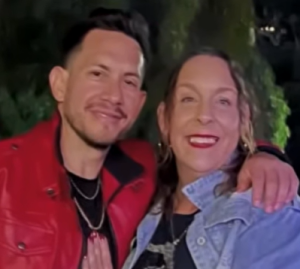
“I’ve lost 70 lbs,” she said, matter-of-fact at first—then with that unmistakable edge of pride that comes from walking through pain and coming out the other side. She’d set her goal. Not vaguely, not optimistically—she’d marked it like a mission. Seventy. She was headed for it with the kind of determination that doesn’t leave room for excuses.
And yet, even as she described the weight coming off, the real story wasn’t the scale. The real story was what had to be put in place before the body could even begin to listen.
Kim didn’t pretend it was effortless. She didn’t frame it like a transformation you could copy with a simple routine and a bit of willpower. She admitted the truth plainly: she started with semi-medical help—she referenced a medication journey—and then made it clear that the help wasn’t the whole answer. “You have to put in the work, too,” she explained. “It’s not just falling off the weight.”
That’s when she began to list what people often underestimate: changing how she ate, drinking more water, exercising, rebuilding the daily habits that slowly reprogram you. Weight loss, she implied, wasn’t just about food. It was about discipline becoming identity.


But then she shifted, and the atmosphere changed—because her transformation had an emotional gravity to it.
When she spoke about her life before, it sounded like the kind of story that starts with love but gets twisted by timing and hardship. She mentioned that she had a child put up for adoption—another child followed a year later. She wasn’t telling it to gain pity. She was telling it because it shaped her self-esteem, her self-worth, the way she moved through the world afterward.
And there were more losses than anyone would guess by looking at her now.
At one point, she talked about the emotional toll of losing her mother—then losing her sister only a year and a day later. Two griefs stacked so close together that it would break most people. But Kim didn’t just grieve. She reacted. She described how, after losing them, she made a decision that was part mourning, part survival—putting cigarettes down, telling herself, “Okay, no more smoking.”
Because the people she loved had heart disease. And she realized she could either keep drifting… or start taking control.
When she got to her heaviest—256 pounds—she said she was eating “tacos and pizza and all this,” but what she didn’t say outright was that those foods were probably covering something. Feeding more than hunger. Eating while trying to outrun a feeling.
And she knew it. She felt unhealthy. Not vaguely. Deeply.
So she went to the doctor. She started taking charge in a way that wasn’t glamorous but was effective. She described it like a turning point—someone urging her to “try it out,” and her finally deciding she was ready to do what she needed for herself.
But then she dropped the line that explained everything.
“Mental really has to… you have to be in line with your mental and your physical,” she said.
She made it sound simple, but it wasn’t. It was the kind of insight you only get after you’ve seen yourself sink—and then fought your way back. She talked about how mental alignment made the body follow. And she also admitted that harsh words from others had fueled her, like gasoline thrown on a fire.
“You’re ugly all the time,” she said—meaning the insults, the constant commentary, the hate that tries to shrink you. Whether it was meant to wound or just to embarrass, she turned it into something else. Something useful.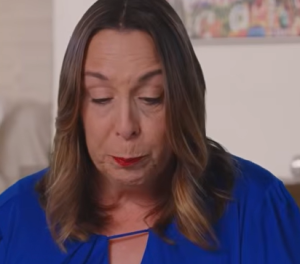
And once that transformation began—both outward and inward—she couldn’t hide how it made her feel.
“I just feel like… I’m finally even,” she said. And then she added the truth that hit harder because she said it while smiling: “It’s never too late.”
She’d turned 56, but she didn’t speak like someone who accepted limitations. She spoke like someone who had reclaimed time. Like someone who understood that change isn’t a sudden miracle. It’s a series of choices that add up until you can’t deny the result.
Now, she wasn’t finished—not even close.
Her next stop wasn’t